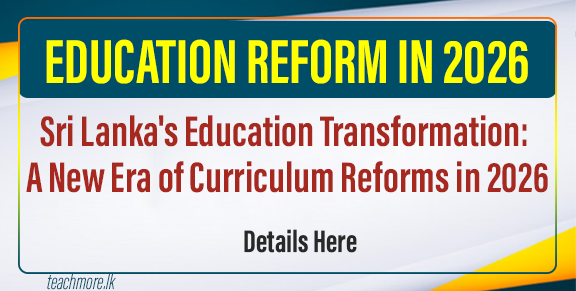
In a bold and forward-thinking move, Sri Lanka is embarking on a journey to reshape its education system through significant curriculum reforms set to commence in 2026. These reforms, which are part of a broader eight-year transformation strategy, reflect the nation’s commitment to modernizing education and equipping students with the skills they need to thrive in an ever-changing world. Let’s dive into the key aspects of these transformative changes and the vision driving them.
A Phased Approach to Change
Education reform is no easy task, and Sri Lanka’s phased implementation ensures a structured and manageable transition. Following initial syllabus changes for Grades 1, 6, and 10 in January 2025, the next phase will bring new syllabuses for Grades 2, 7, and 11 starting in 2026. This step-by-step approach allows teachers, students, and administrators to adapt gradually, ensuring smoother integration of new teaching methodologies and assessment systems.
A New Focus: Skill Development and Real-World Readiness
The revised curriculum emphasizes soft skills, life skills, and moral values, shifting the focus beyond rote memorization. In an era where adaptability, critical thinking, and emotional intelligence are paramount, these reforms aim to prepare students for real-world challenges. By fostering well-rounded individuals, Sri Lanka is not only aligning with global educational trends but also addressing the unique demands of the 21st century.
Streamlined Learning with Activity-Based Tools
A standout feature of the reforms is the reduction in traditional textbooks. Students will now rely on activity books and module books, which are designed to encourage active participation and inquiry-based learning. These materials will include web links to additional resources, enabling students to explore topics more deeply and engage in self-directed learning. This approach reflects a shift towards more flexible, student-centered education.
Reimagining the Examination System
The examination system will also undergo a significant overhaul in 2026. Instead of focusing on a vast array of subjects, general education exams will concentrate on essential subjects such as:
- Science
- Mathematics
- Mother Tongue
- English
- Religion and Values Education
Students will have the freedom to choose three additional subjects based on their interests, fostering greater autonomy and specialization. Additionally, the introduction of a Grade Point Average (GPA) system ensures that no student will fail. This inclusive approach seeks to reduce the stress associated with exams and promote a more balanced evaluation of student abilities.
The Broader Goals of the Reform
At its core, these curriculum reforms aim to modernize Sri Lanka’s education system by aligning it with global standards and preparing students for a dynamic future. The reforms are driven by several overarching goals:
- Inquiry-Based and Project-Based Learning: Encouraging critical thinking, creativity, and collaboration through hands-on approaches.
- Integration of Arts Education: Recognizing the importance of arts in fostering creativity and emotional intelligence.
- Student-Centered Learning Environments: Creating a more flexible and personalized approach to education that caters to individual student needs.
These changes reflect a vision of education that prioritizes adaptability, lifelong learning, and the holistic development of every child.
A Vision for the Future
Sri Lanka’s curriculum reforms are more than just a structural shift—they represent a vision for the future of education. By prioritizing skills over content, reducing exam stress, and integrating modern teaching methods, these changes aim to cultivate a generation of innovative, empathetic, and globally competent individuals.
The success of these reforms will depend on collaboration among educators, policymakers, and communities, as well as ongoing efforts to refine and improve the system. As Sri Lanka embarks on this transformative journey, it sets an inspiring example for other nations seeking to modernize their education systems.